Interior design is often discussed in terms of colour palettes, furniture selections, lighting plans and material finishes. Yet the spaces that linger in our memory rarely do so because of a particular sofa or paint colour. More often, we remember how a space made us feel.
Art has a quiet but powerful role in creating that feeling.
For many years, art has been treated as the final layer of a project. The furniture is installed, the styling is complete, and a wall is left waiting for something to fill the space. In reality, the most compelling interiors are often shaped by art long before the finishing touches are considered.
A single artwork can establish the emotional direction of an entire room.
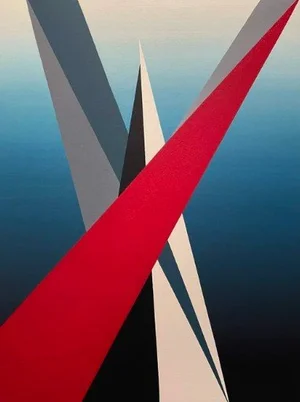
An abstract painting may introduce movement and energy into an otherwise restrained interior. A soft, layered composition can bring calm and balance to a space filled with hard architectural lines. Even when viewed subconsciously, art influences our perception of a room. It can make a space feel grounded, dramatic, intimate or expansive.
When approaching a new design project, it is often worth considering the artwork first rather than last.
The colours within a painting can guide material selections. The texture of a canvas may inspire fabric choices. Bold artwork can encourage a more confident approach to furniture and lighting, while a quieter piece may lead to a more restrained and contemplative environment. In this way, art becomes more than decoration. It becomes part of the design language itself.
Perhaps more importantly, art introduces personality.
Interior design can create beautiful spaces, but art often reveals something about the people who live within them. Two homes may share the same architectural style, similar furnishings and a comparable layout, yet feel entirely different because of the artwork they contain. Art reflects individual taste, personal history and emotional connection in a way few design elements can.
This is particularly true of original artwork.
Unlike mass-produced décor, an original painting carries evidence of its creation. There are subtle decisions, imperfections, layers and moments of intuition embedded within the work. These qualities bring warmth and authenticity to an interior, reminding us that a home should feel lived in rather than perfectly curated.
In contemporary interiors, there is also a growing appreciation for scale. Large artworks have the ability to anchor a room and create a focal point without adding physical clutter. Rather than filling a space with multiple decorative objects, a carefully chosen statement piece can introduce impact with remarkable simplicity.
The relationship between art and interior design is ultimately a conversation.
The architecture provides structure. The interior design introduces function and comfort. Art adds emotion and narrative.
When these elements are considered together rather than separately, a space begins to feel more complete. Not because every surface has been perfected, but because the room tells a story. It reflects the character of the people who inhabit it and creates an experience that extends beyond aesthetics alone.
The most memorable interiors are rarely those that follow trends most closely.
They are the spaces where art, design and personal expression exist in harmony.
At Studio Jacobson, we believe the strongest interiors emerge when art is part of the conversation from the very beginning. Whether through original abstract works, bespoke commissions or carefully considered interior design, our goal is always the same: to create spaces that are not only beautiful to look at, but meaningful to live with.